

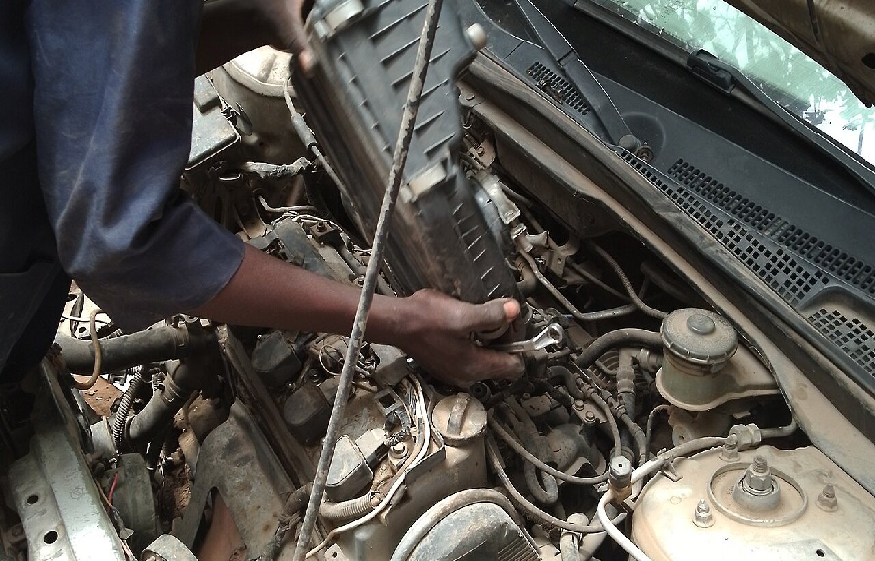
The most expensive used engine is the one that turns out to be bad after it’s installed. By then you’ve paid for the engine, the freight, and a day or two of labor, and you get to pay for the labor again to pull it out.
Most of that risk can be removed before the engine goes in. These checks take an afternoon and a few basic tools.
Before you buy a used engine: check the paperwork
Match the engine code, not the model year
Year, make and model is a starting point, not an answer. Many cars used two or three different engines in the same year. Find the engine code on your current block or in your VIN decoder and match it exactly.
Imported units need extra care here. Japanese model years don’t always line up with American ones, so specialist sellers list engines by code and application. A catalog like the one at https://texasjdmmotors.com/ shows how that works in practice, with Japanese-market engines sorted by make, model and year range for the US cars they fit.
Get the mileage and warranty in writing
Ask for the recorded mileage of the donor car. Ask how long the warranty runs. Ask whether it covers labor or parts only. A seller who won’t put those in writing has told you what you need to know.
Read More: Essential Winter Preparedness: CPAP Battery Backup Systems
When it arrives: inspect the outside
Uncrate the engine somewhere well lit. Take photos of every side before you touch anything, because they help if you need to file a claim.
Look for cracks and impact damage
Check the block, the oil pan and the timing cover. But freight damage happens. A cracked mount ear or a crushed oil pan is a claim, not a project.
Pull the oil fill cap and the dipstick
Dark oil residue is normal. Milky, tan sludge means coolant got into the oil, which points to a head gasket or a crack. Thick, gritty deposits suggest skipped oil changes.
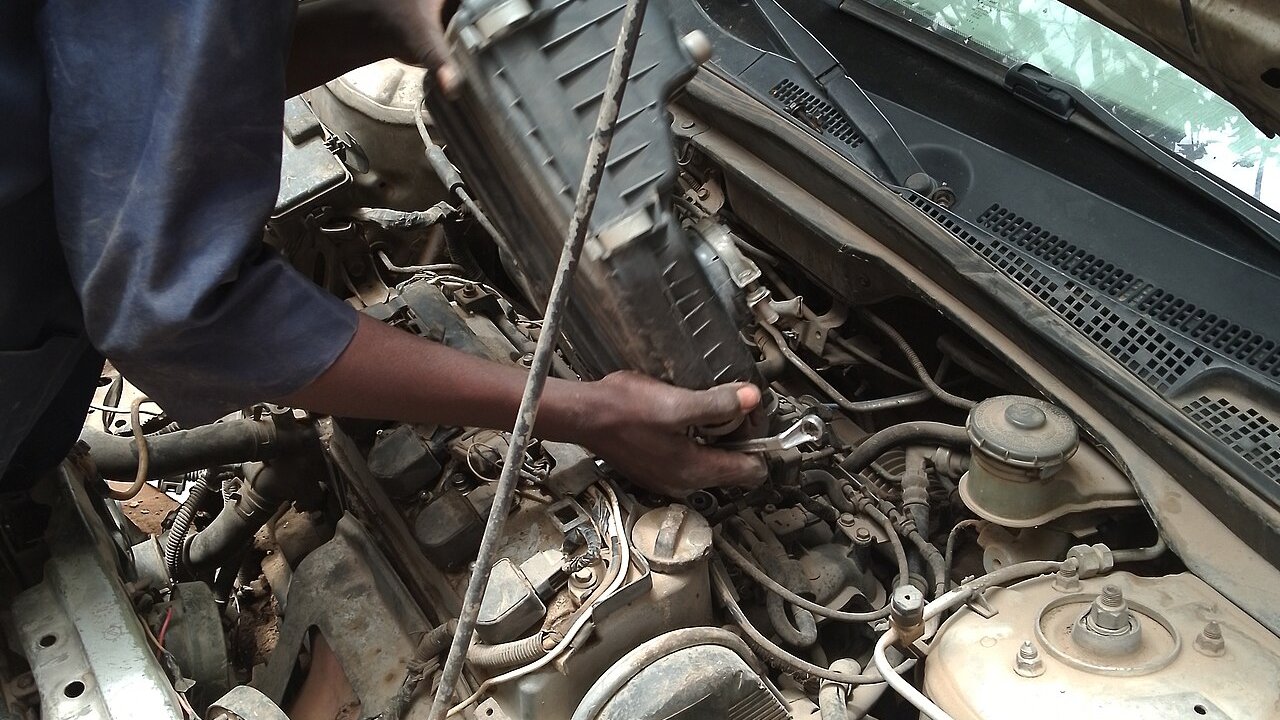
Test what you can’t see
Turn it over by hand
Put a socket on the crank bolt and rotate the engine through two full turns. It should turn smoothly, with even resistance as each cylinder comes up on compression. Any binding or a hard stop is a red flag.
Run a compression or leak-down test
Pull the spark plugs and test every cylinder. The absolute numbers matter less than consistency. Readings should be close to each other, typically within about 10 percent. One low cylinder means a valve, ring or gasket problem, and you want to know about it now.
A leak-down test goes one step further and tells you where the air escapes. Hissing at the oil fill points to rings. At the intake or exhaust, it’s a valve. Bubbles in the coolant mean a head gasket.
Look inside with a borescope
Inexpensive borescope cameras are sold at any big auto parts chain. Through a spark plug hole you can see cylinder walls and piston tops. Light cross-hatching is good. Deep vertical scratches are not.
Read More: Why Buy 2024 Corolla Cross L FWD?
Before installation: replace the cheap stuff
With the engine on a stand, replace the parts that are easy now and painful later: rear main seal, valve cover gaskets, spark plugs, and the timing belt and water pump if the engine uses a belt. Fill it with fresh oil and a new filter.
Then compare your notes with the seller’s. A used engine that passes all of this is about as safe a bet as a used part gets. If everything lines up, install it with confidence. If something doesn’t, call the seller before the engine goes in, not after.